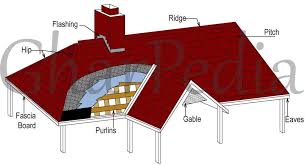
parts of a roof are the names of the parts that keep your house dry and safe. In this post I will show you the main pieces in a clear and simple way. You will learn what each part does, where it sits, and why it matters. I will use easy words so anyone can understand — even kids. A roof is like a team: each part has a job. Some parts stop rain, some parts carry water away, and some parts hold the roof up. Knowing the names helps you talk to a builder, fix small problems, or keep your home safe. I will not use hard words, and I will give short examples so the ideas stick in your head. By the end, you will feel confident pointing to a roof and saying the right names.
parts of a roof are made from many different things like wood, metal, and tiles, and each material changes how the part works. In this paragraph I will explain the most common materials and why they are used. For example, rafters are usually wood and give the roof its shape, while shingles cover the outside and keep water out. Flashing is thin metal that fits around chimneys and vents to stop leaks. Gutters and downspouts move water away from the house so the foundation stays dry. Underlayment is a sheet under the shingles that gives extra protection when storms come. Knowing these material basics helps you pick the right fixes and saves money by avoiding quick, wrong repairs. I will also give simple tips to spot damage early — small cracks, loose shingles, or rust on flashing — so you can act before the problem gets big.
What Are the Main Parts of a Roof?
The parts of a roof are like the body of a person — every piece has a role. The main parts include the ridge, rafters, trusses, decking (or sheathing), underlayment, shingles or tiles, flashing, gutters, fascia, soffit, vents, and chimneys. Each one has a special job that keeps your roof working the right way.
Think of the ridge as the top line of the roof — it’s where two sides meet. The rafters and trusses are the bones that hold the roof up. The decking forms the flat base layer that supports the shingles. On top of that sits the underlayment, a protective sheet that keeps water out. Shingles or tiles form the outer layer you can see from the ground. Flashing seals the small gaps, gutters and downspouts move water away, and vents help the air flow so your roof doesn’t get too hot or wet.
Rafters and Trusses: The Skeleton of the Roof
The rafters and trusses are like the bones in your body — they give shape and strength to the roof. Rafters are long pieces of wood that run from the top ridge to the edges of the roof. They hold up everything above them. In modern homes, trusses often replace rafters. A truss is a triangle-shaped frame made from wood or metal that supports heavy loads.
These parts are hidden inside your roof, but they are some of the most important. Without them, your roof would not stay in place. If rafters or trusses get damaged by rot or pests, the roof can start to sag or even break. Regular inspection from the attic can help you spot any dark spots or wet patches that mean trouble.
Decking or Sheathing: The Strong Base
The decking, also called sheathing, is the flat board that covers the rafters and gives the roof its base. It’s usually made of plywood or wooden boards. This layer supports the underlayment and shingles. You can think of it as the “floor” of the roof system.
A solid decking layer keeps the roof stable and prevents leaks. If the decking gets weak or rotten, the shingles can loosen and let water in. That’s why it’s important to keep gutters clean so water doesn’t sit on the roof for long periods.
Underlayment: The Hidden Protector
The underlayment is a thin sheet that sits between the decking and the shingles. It acts as a safety layer that stops water from reaching the wood below if rain gets under the shingles. There are two common types: felt paper and synthetic sheets.
This layer may seem small, but it’s a big help when it rains or snows. Without underlayment, even a small leak could damage the wooden parts. It also adds extra insulation and keeps the inside of your home warmer in winter and cooler in summer.
Shingles or Tiles: The Outer Skin of the Roof
When people think about the roof, they often picture the shingles or tiles — the outer cover that you see from the street. Shingles are flat, thin pieces made from materials like asphalt, metal, wood, or slate. Tiles can be made from clay or concrete.
These are the parts that protect your home from sun, wind, and rain. They also make your house look nice. Asphalt shingles are most common because they’re strong, light, and affordable. Clay or metal roofs last longer but cost more. Whatever you choose, make sure to check for broken or missing shingles after a storm.
Flashing: The Leak Stopper
Flashing is a thin metal sheet that seals joints and edges where water might enter — around chimneys, vents, or skylights. Think of it as a waterproof bandage. It may be small, but it plays a big role in stopping leaks.
If you ever see water spots on your ceiling, damaged flashing could be the reason. Checking flashing regularly can save you from big repair bills later. Stainless steel or aluminum flashing lasts longer and doesn’t rust easily.
Gutters, Downspouts, and Drip Edges: Water Managers
Once the rain hits the roof, it needs a safe way to flow down without damaging your home. That’s where gutters, downspouts, and drip edges come in. Gutters run along the roof’s edge and catch rainwater. Downspouts carry it down to the ground or drain.
Drip edges are metal strips fixed along the edge of the roof to direct water into the gutters instead of letting it soak into the wood. Keeping these parts clean and clear of leaves is very important. Clogged gutters can cause leaks, mold, or even roof collapse in heavy rain.
Ridge, Hip, and Valley: Roof Shapes and Their Parts
Roofs come in many shapes, and certain parts help define them. The ridge is the highest line where two sides of the roof meet. The hip is the outside angle where two sloping sides join. The valley is the inside dip where two roof slopes meet.
These parts guide how rain flows down the roof. Valleys must have strong flashing because they collect the most water. Ridges often have vents to release hot air. A well-built ridge and valley keep your roof strong during heavy storms.
Soffits and Fascia: The Clean Finish
Look under the edge of your roof — that’s the soffit. It’s the panel that closes the gap between the roof edge and the wall. The fascia is the board along the edge of the roof that supports the gutters.
These parts don’t just look nice; they also help with airflow and protection. The soffit often has small vents that let air in to stop mold and heat build-up in the attic. The fascia keeps rain out of the roof’s wooden parts. If either one gets damaged, water and pests can find their way inside.
Vents and Chimneys: Air and Heat Helpers
Good airflow keeps a roof healthy. Roof vents let hot air and moisture escape, keeping the attic cool and dry. Without vents, heat can build up and damage shingles. There are many types — ridge vents, box vents, and turbine vents.
Chimneys also need care. They pass through the roof, and flashing around them must be sealed well. If it cracks, rainwater can leak into the attic. A chimney cap helps keep rain and animals out while letting smoke escape safely.
Common Roof Problems and Easy Fix Tips
Even the best roofs face wear and tear. Some common issues include missing shingles, rusted flashing, clogged gutters, and cracks around the chimney. Small problems can lead to leaks if ignored.
To keep your roof healthy, do simple checks every few months. Look for curled or broken shingles, soft spots, or signs of moss. Clean your gutters before the rainy season. If you find small holes, patch them right away or call a roofer. A little care goes a long way in keeping your roof safe.
When to Call a Roofer
Sometimes the parts of a roof need expert care. If your roof is leaking, sagging, or missing many shingles, it’s best to call a professional. Roofers have the tools and training to find hidden problems.
Trying to fix large roof issues yourself can be risky and might make things worse. Always stay safe — if you must inspect your roof, use a ladder carefully or look from the ground with binoculars.
Simple Roof Care Tips
- Clean gutters and downspouts often.
- Cut tree branches that touch the roof.
- Check attic vents for blockages.
- Replace broken or missing shingles quickly.
- Get a professional roof inspection once a year.
Taking small steps like these helps your roof last longer and saves you from costly repairs later.
Conclusion
The parts of a roof work together like a team. Each one — from the shingles on top to the rafters underneath — plays a role in protecting your home. By knowing their names and what they do, you can spot problems early, understand repair needs, and keep your roof strong for years. A healthy roof means a safe and comfortable home for you and your family.
FAQs
Q1: What are the most important parts of a roof?
The main parts are rafters, decking, underlayment, shingles, flashing, gutters, fascia, soffit, and vents. Each one helps the roof stay strong and dry.
Q2: How often should I check my roof?
You should inspect your roof at least twice a year — once before summer and once before winter. Look for leaks, loose shingles, or blocked gutters.
Q3: What is the difference between rafters and trusses?
Rafters are single wooden beams that run from ridge to edge, while trusses are pre-made triangle frames that give extra support and are used in most modern homes.