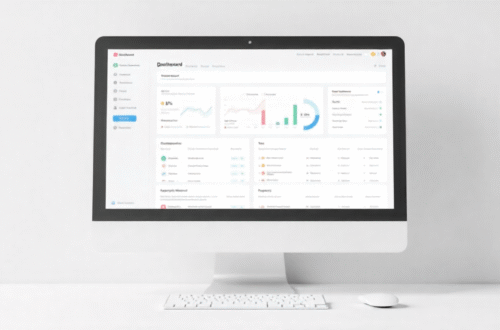
http //my.jetpack is a commonly searched term by WordPress users trying to access the Jetpack dashboard. It usually refers to the Jetpack portal used for managing WordPress security, backups, performance tools, and site analytics. However, users often face confusion due to wrong formatting or URL errors. This guide explains everything clearly.
What Is http //my.jetpack and Why It Matters
Many users type http //my.jetpack when they want to open the Jetpack dashboard. The correct format includes proper URL structure. Without it, the page won’t load. This dashboard helps control website security settings, monitor traffic, handle backups, and connect WordPress.com features to a self-hosted site.
Why Users Search for http //my.jetpack
People search this term because they want fast access. They want security alerts, real-time stats, backup management, and plugin controls. Miswriting the link causes confusion. So, understanding how to access and use it is essential for smooth website management.
How to Correctly Access the Jetpack Dashboard
To enter the dashboard, users must type the correct address in their browser. After signing in, they will see tools for analytics, backups, and security. If login fails, checking browser cache, passwords, or connectivity helps solve the issue quickly and easily.
Jetpack Features You Can Use After Accessing the Dashboard
Jetpack unlocks tools like brute force protection, malware scanning, and activity logs. It also improves site speed using image optimization and CDN services. Users can schedule backups automatically. They can also monitor site traffic from a clean and simple dashboard.
Common Errors With http //my.jetpack and How to Fix Them
Typing mistakes lead to blank pages. If the dashboard does not load, checking SSL settings, internet connection, or plugin conflicts is helpful. Another fix includes disabling conflicting plugins or updating outdated versions for smooth performance and better control.
How Jetpack Improves SEO and AEO Automatically
Jetpack provides XML sitemaps, site uptime monitoring, and improved loading speed. Faster pages rank better. It also helps answer user questions directly through structured content, improving AEO. These small improvements create a better experience and help search engines understand your content.
Using Jetpack With AI-Powered Tools for Better Content
Jetpack offers AI-assisted writing that helps generate headlines, paragraphs, and product descriptions. You can use prompts to create better content faster. This saves time, improves clarity, and ensures your site offers helpful information to visitors searching for answers.
Security Tools Available After Logging in to Jetpack Dashboard
After accessing the dashboard, users get brute force protection and login monitoring. Automatic backups protect data from hacking or accidental loss. If something goes wrong, restoring previous versions takes a few minutes. This builds trust and protects your brand presence.
Why Performance Optimization in Jetpack Matters
Speed affects user experience and ranking. Jetpack’s CDN loads images faster across devices. Lazy loading reduces bandwidth use. These features keep visitors engaged and reduce bounce rates. Better performance directly improves site authority and reliability.
How to Connect Jetpack With WordPress Properly
To use Jetpack, install it from the plugins section in WordPress and connect it to a WordPress.com account. After activation, the dashboard becomes available. Users can enable or disable features based on their needs. Proper setup ensures faster access and smooth functioning
Troubleshooting Login or Dashboard Loading Issues
If the dashboard does not open, clearing browser cookies or trying another browser is effective. Checking for plugin conflicts or firewall blocks is also useful. Updating PHP and WordPress improves compatibility. These steps restore access quickly with no technical stress.
Best Practices to Use Jetpack With Correct URL Structure
Always use HTTPS for secure access. Avoid spacing errors in URLs. Bookmark the dashboard for faster entry. This reduces login delays and improves workflow. Using accurate URL formats ensures data protection and prevents users from landing on incorrect pages.
Conclusion
Accessing http //my.jetpack is simple when the correct address and login method are used. This dashboard offers powerful features that strengthen security, boost performance, and improve SEO. Start using it correctly and manage your website like a professional. Take action today and unlock full control over your site.
FAQs
1. What is the correct way to access http //my.jetpack?
Type the correct URL format with proper structure in your browser and log in using your WordPress.com account.
2. Why does the page not load when I type http //my.jetpack?
Incorrect formatting, missing HTTPS, or browser issues can prevent the dashboard from opening.
3. Do I need a WordPress.com account to use Jetpack?
Yes, connecting Jetpack to a WordPress.com account is required to access its full features.
4. Can Jetpack improve website SEO?
Yes, it provides sitemaps, faster loading speed, and traffic analytics, which help improve visibility.
5. How do I fix Jetpack login errors quickly?
Clear browser cache, check internet connection, update plugins, and ensure correct URL formatting.