Hitler’s art has always been a mystery to many people. Before becoming one of the most feared leaders in history, Adolf Hitler dreamed of being an artist. His paintings and drawings show a different side of him — a young man who loved art, color, and design. Hitler’s art mostly includes buildings, landscapes, and peaceful city scenes. Many people are surprised to learn that he once tried to enter an art school, but was rejected. These artworks give us a look at the person he was before politics took over his life.
Hitler’s art also raises questions about how talent and history connect. Some of his paintings have been sold for high prices at auctions, while others are kept in private collections or museums. Even though his name is linked to dark times, his art still interests historians and art lovers. It shows that even a man known for destruction once tried to create beauty. Learning about Hitler’s art helps us understand how art can tell deep stories about a person’s dreams, emotions, and life path.
The Hidden Past of Hitler’s Art
Hitler’s art is one of the most talked-about topics in the world of history and creativity. Long before he became the leader of Nazi Germany, Adolf Hitler dreamed of being a famous painter. His passion for painting and drawing started when he was very young. He would spend hours sketching buildings, trees, and city views. His favorite subjects were not people but places. He loved painting houses, churches, and bridges with great detail. Many people find it hard to believe that the same man who caused so much destruction once tried to make beautiful art. But Hitler’s art gives us a glimpse into his early life, showing a side of him that many do not know.
What Inspired Hitler’s Art in His Early Life
As a boy, Hitler grew up in Austria, where he was surrounded by lovely mountains and charming towns. These natural views inspired much of his artwork later. He was very quiet and often preferred drawing over playing with other children. His father wanted him to become a government officer, but Hitler refused because his only dream was to be an artist. After finishing school, he moved to Vienna with hopes of joining the famous Vienna Academy of Fine Arts. He believed that if he got accepted, he would live the life of a successful painter. His early inspiration came from nature, architecture, and the European art he saw in books and museums. This period was peaceful and full of creativity, long before politics took over his life.
Why Hitler Wanted to Be an Artist Before Politics
Hitler’s love for art was deep and sincere. He spent most of his days painting and selling his work to earn money for food and rent. He created hundreds of watercolor paintings of streets, buildings, and landscapes. His art showed patience, discipline, and care. But when the art school rejected him twice, his dreams slowly broke. This failure deeply hurt him and changed the path of his life. If he had been accepted, he might never have entered politics at all. His rejection from the academy made him bitter and angry. He believed that his art was misunderstood and not appreciated. This moment became one of the most important turning points in history because it pushed him away from art and into politics.
Famous Paintings and Drawings by Hitler
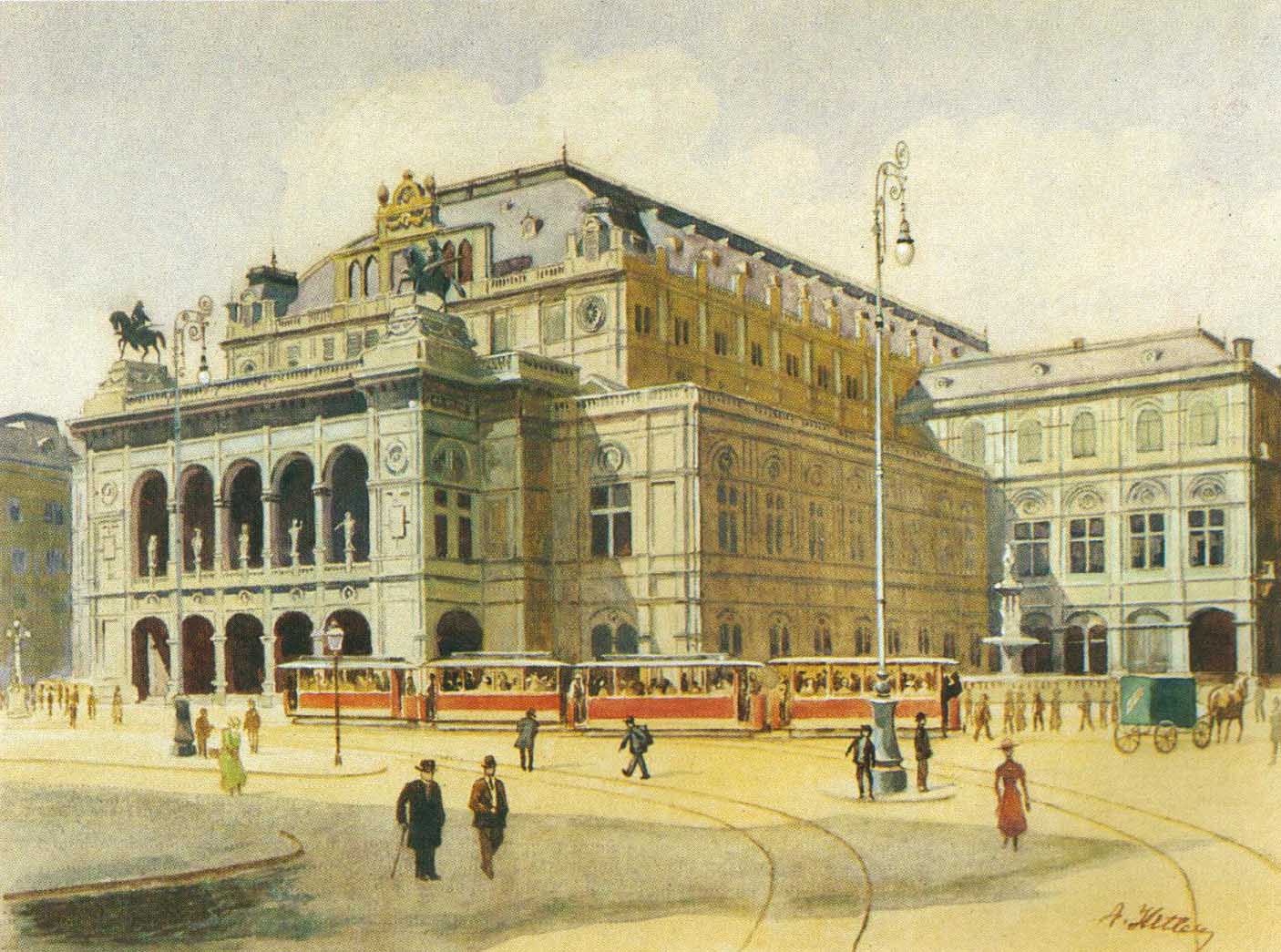
Hitler’s art mostly includes watercolor paintings. He avoided drawing people because he was not very skilled at human faces. Instead, he loved painting buildings and nature. Some of his most well-known works show city streets, old houses, and bridges in Vienna and Munich. His paintings often have soft colors and perfect straight lines, showing that he was careful and precise. Though his art style was simple, it still carried a sense of peace and structure. Today, some of these artworks are kept in private collections, while others are displayed in museums or sold at auctions. Each painting tells a story about a man who once wanted to build rather than destroy.
How Hitler’s Art Shows His Personality
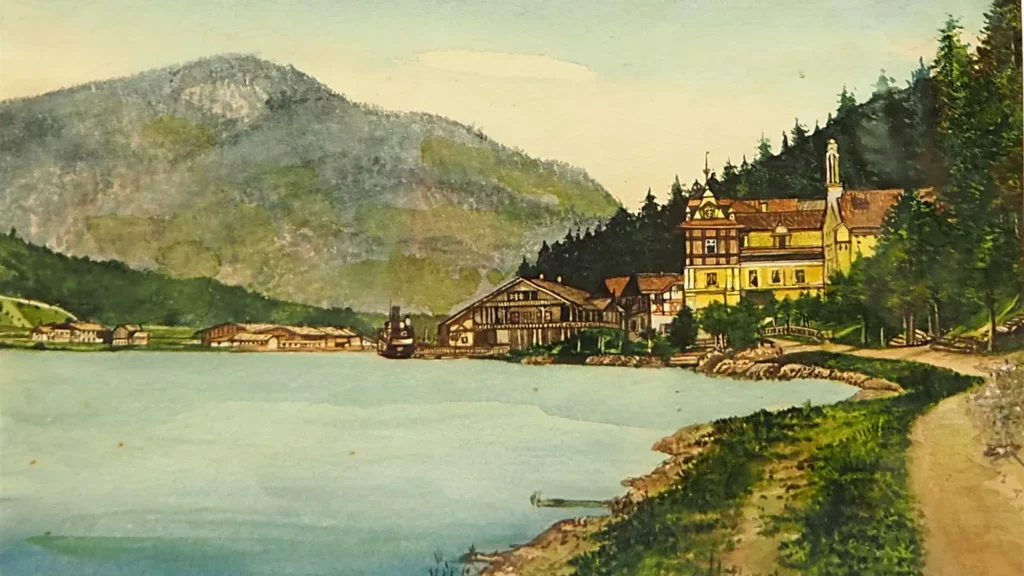
By looking at Hitler’s art, we can learn a lot about his personality. His paintings show order, calmness, and a love for architecture. The lines in his drawings are clean and careful, showing that he liked control and structure. There are no signs of chaos or emotion, which might reflect how he tried to hide his true feelings. Some historians believe that his art gives clues about how he thought. For example, his focus on buildings instead of people could mean that he was more comfortable with control than with emotions. His art may seem peaceful, but it also shows a sense of distance and perfectionism that later appeared in his political life.
The Art School Rejection That Changed Hitler’s Life
One of the most important moments in Hitler’s early life was when he applied to the Vienna Academy of Fine Arts. He believed this was his only chance to become a real artist. However, when he was rejected, the dream he had built for years fell apart. The teachers at the academy told him his drawings lacked creativity and that he was better at technical drawing than at artistic imagination. This made him angry and sad. He tried again but was rejected a second time. Without money or support, Hitler lived in poor conditions and started to lose hope. This rejection played a huge part in his later choices, showing how a broken dream can change someone’s destiny completely.
Hitler’s Art in Modern Times: Auctions and Controversy
Even today, Hitler’s art creates strong feelings among people. Some believe his paintings should be destroyed because of his dark history, while others think they should be kept as a part of history. Many of his paintings have been sold at auctions for high prices, sometimes reaching thousands of dollars. Collectors buy them not because of beauty, but because of their historical connection. This has led to many debates about whether it is right to own or sell the artwork of a man responsible for so much suffering. Museums often avoid showing his art because it can offend people. Still, his work remains a strange part of art history that many can’t ignore.
What We Can Learn from Hitler’s Art Today
Hitler’s art teaches us that even those who create terrible things once had dreams and emotions. It reminds us that everyone has many sides, and that one person’s choices can change the world. His art also shows how failure can shape destiny. If he had become a painter, history might have been very different. Looking at his paintings helps us understand the human side of history. It also teaches young artists not to give up when they face rejection. Every artist struggles at some point, but true success comes from trying again. Hitler’s story shows what can happen when dreams die and anger replaces creativity.
The Connection Between Hitler’s Art and History
Hitler’s art is not just about paintings; it’s about history. Each piece tells a story about the time before he became the dictator of Germany. His early works show a calm and quiet world, full of light and peace. Later, when he became powerful, his taste in art influenced the art and architecture of the Nazi period. He used grand designs, tall buildings, and powerful images to express control and strength. Many of these ideas came from his early love for architecture. His artistic mind never disappeared; it simply turned into a different kind of creation — one focused on shaping cities and symbols of power. His art connects deeply with his political past, showing how early dreams can echo in later life.
Should Hitler’s Art Be Displayed or Hidden
This is one of the biggest questions about Hitler’s art today. Some people say that showing his art is wrong because it honors a man who caused so much pain. Others argue that we should keep it as a lesson from history. Art is not always about beauty — sometimes it helps us understand truth. By studying his paintings, we can see the story of a person before they became known for terrible things. Hiding his art does not erase history. Showing it with proper education can help people learn about the power of choices, dreams, and failures. It reminds us that talent alone does not make a person good or bad; it is how they use it that matters.
The Artistic Style and Technique of Hitler’s Art
Hitler’s paintings were mostly made with watercolors and pencil. His technique was neat and careful, showing a focus on precision. He liked balance and structure, often choosing soft colors like brown, gray, and blue. His style was realistic, not emotional or modern. He did not experiment with shapes or colors like many famous artists of his time. Instead, he kept his art safe and traditional. This shows that he preferred things to stay in order. Some art experts say that this style reflected his personality — controlled, disciplined, and unwilling to change. Though his work was not creative or bold, it showed technical skill and a deep love for form and design.
How Hitler’s Art Still Affects Culture and Media
Hitler’s art has appeared in many documentaries, books, and news stories. Artists and writers often talk about how his early life as an artist could have changed the world if he had succeeded. Some movies and shows explore what might have happened if he had been accepted into art school. This idea fascinates people because it shows how small moments can change history. Even in pop culture, his art is discussed as an example of how creativity and darkness can live inside the same person. People continue to debate whether it’s right to separate the artist from their actions. Hitler’s art remains a strange reminder of how dreams, rejection, and anger can shape history.
The Legacy of Hitler’s Art
The legacy of Hitler’s art is a mix of curiosity, sadness, and warning. His paintings are not great masterpieces, but they tell a story of human failure and lost dreams. They remind us that art is not only about beauty; it is about emotion, purpose, and truth. Hitler’s early desire to create beauty makes his later actions even more tragic. The world looks at his art not to celebrate him, but to understand how someone who once painted peace could later destroy it. His art stands as a silent message about the importance of compassion, understanding, and the power of choices in shaping history.
Conclusion
Hitler’s art opens a window into the hidden side of a man who changed history in the worst way. His paintings remind us that he was once an ordinary person with dreams and hopes. They show how failure and rejection can shape a person’s destiny. Even though his art is simple and not famous for its skill, it helps us understand his early life. It teaches that creativity without kindness can lead to darkness. Learning about Hitler’s art is not about admiring him; it’s about learning from his story and understanding how art, emotion, and history are connected.
FAQs
Q1. What kind of art did Hitler make?
Hitler mostly made watercolor paintings of buildings, landscapes, and city views. He liked drawing architecture more than people.
Q2. Was Hitler a good artist?
He was skilled in drawing straight lines and structure, but his work lacked creativity and emotion, which is why art schools rejected him.
Q3. Why was Hitler rejected from art school?
He was rejected because the teachers felt his art showed talent in technical drawing but not enough imagination for fine arts.